






Atlas Critical Minerals Reports Strong Initial Graphite Recovery of 96.6% in Its Minas Gerais Project
MWN-AI** Summary
Atlas Critical Minerals Corporation (OTCQB: JUPGF) has announced remarkable results regarding its Minas Gerais Graphite Project in Brazil, achieving a significant initial graphite recovery rate of 96.6%. The project spans 1,258 hectares in the state of Minas Gerais and is entirely owned by the company. Surface samples from the site revealed an impressive graphite carbon content of up to 15.4%. Atlas engaged SGS Canada, Inc., a recognized leader in mineral testing and certification, to oversee the project’s technical reporting, with Marc-Antoine Laporte and Yann Camus acting as qualified personnel.
The metallurgical test program aimed to develop an effective process for concentrating the graphite into a commercially viable product. The comprehensive testing included flotation, regrinding, and cleaning stages, conducted on a representative 50 kg sample. Two samples, with the highest and lowest graphite carbon content (15.4% and 1.89%, respectively), were tested to ascertain the suitability of the processing conditions across the ore spectrum. The resulting flotation concentrates displayed high-grade graphite carbon levels ranging between 91.3% and 97.7%.
These outcomes strongly indicate the Minas Gerais Project's potential for high-quality graphite production, essential for various industrial applications, including defense and electrification. Atlas Critical Minerals controls a broad portfolio of critical mineral rights in Brazil, totaling over 575,000 acres, which includes projects focusing on rare earths, titanium, and iron ore, with production anticipated to commence in 2025.
This development positions Atlas Critical Minerals favorably within the growing demand for critical minerals, highlighting their commitment to sustainable and productive mining practices. Investors and stakeholders are encouraged to follow their progress as they advance this pioneering graphite project.
MWN-AI** Analysis
Atlas Critical Minerals Corporation's recent announcement regarding the Minas Gerais Graphite Project is promising, demonstrating a graphite recovery rate of 96.6%. This substantial recovery indicates the project's strong feasibility, especially given the high-quality graphitic carbon content of up to 15.4% from surface samples. Such figures highlight the potential for profitable operations in a sector where demand is rapidly increasing due to the growing electrification trend, particularly in battery production for electric vehicles and renewable energy solutions.
Investors should take notice of the operational integrity established through collaborations with SGS Canada and SGS Geosol, reputable entities in geochemical analysis and metallurgical services. Their involvement lends credibility to the results and the viability of the project's concentration flowsheet, which appears well-designed to transform ore into high-grade graphite concentrates (with grades reaching 97.7% carbon).
Looking at market dynamics, the ongoing global transition towards sustainability indicates a robust future demand for graphite. Given Atlas's significant mineral rights portfolio and commitment to producing critical minerals, it stands to benefit from an increasingly favorable market landscape. The company is strategically positioned, not only with its graphite opportunities but also with interests in rare earths and titanium, essential components for modern technological applications.
Given these developments, investors may consider accumulating shares in Atlas Critical Minerals as potential growth in both graphite demand and production capabilities could lead to significant capital appreciation. However, caution is advised; investors should remain aware of the inherent risks in mining operations and market fluctuations. Staying informed about regulatory developments in the mining sector and broader economic trends will be crucial in making sound investment decisions.
**MWN-AI Summary and Analysis is based on asking OpenAI to summarize and analyze this news release.
Belo Horizonte, Brazil--(Newsfile Corp. - July 22, 2025) - Atlas Critical Minerals Corporation (OTCQB: JUPGF) ("Atlas Critical Minerals" or the "Company") is pleased to report that initial processing and analytical characterization of its natural graphite ore from the Company's 100%-owned Minas Gerais Graphite Project (the "Project") achieved up to 96.6% of graphite recovery. Surface samples contained up to 15.4% of graphitic carbon. The Project comprises 1,258 hectares in two mineral rights located in the state of Minas Gerais, Brazil. SGS Canada, Inc. ("SGS") was retained to prepare technical reports under U.S. Regulation S-K 1300. In particular, Marc-Antoine Laporte and Yann Camus from SGS are Qualified Persons for the Project. SGS is well-known as a global leader in testing, inspection and certification of mineral properties and projects.
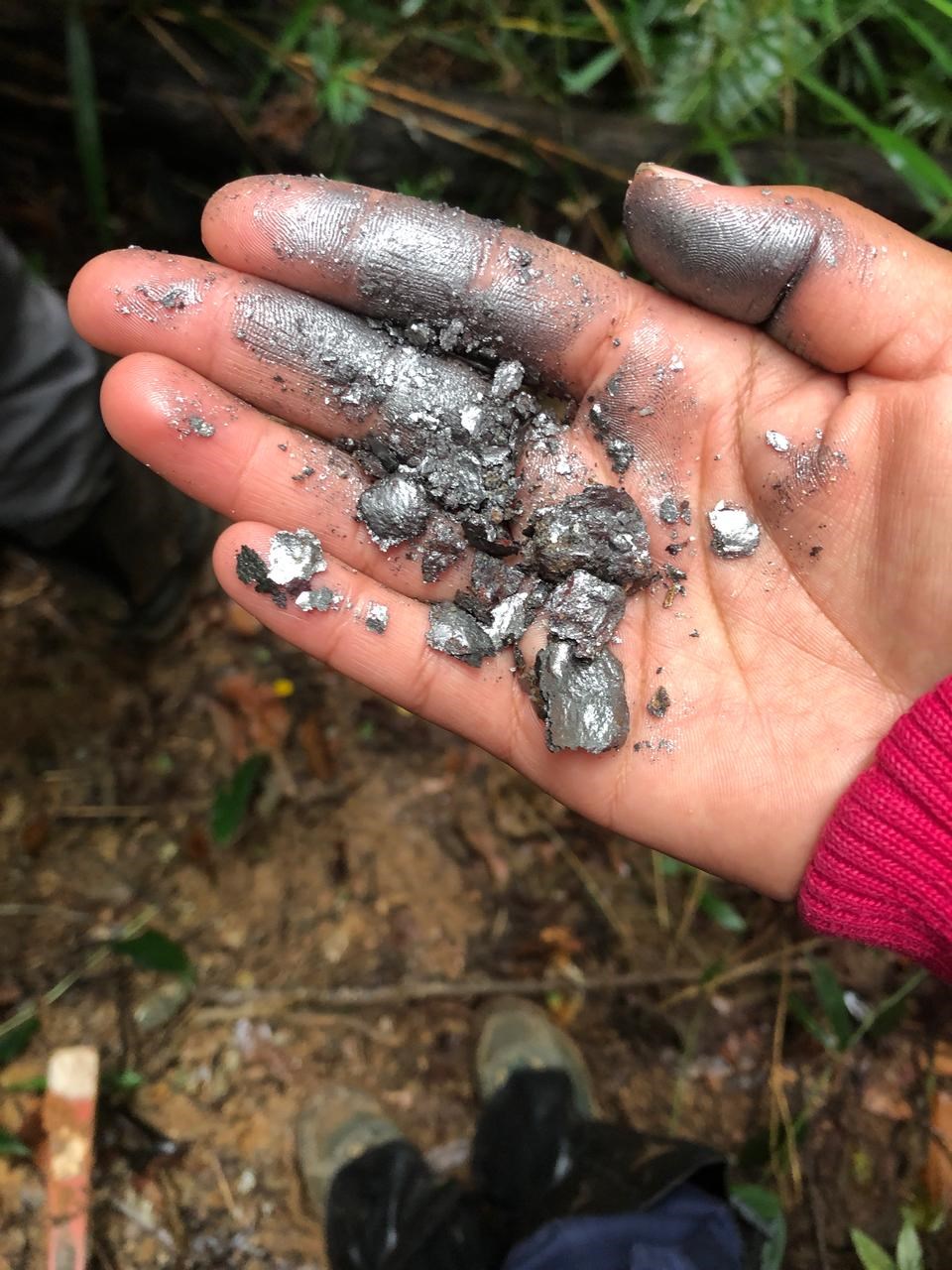
Figure 1 shows a representative sample from the Project area which displays the distinctive metallic sheen typical of graphitic material.
Figure 1 – Surface sample (SMAL-00007) with graphitic carbon grade of 13.37%.
To view an enhanced version of this graphic, please visit:
https://images.newsfilecorp.com/files/6728/259482_0e69bdb354daaa37_002full.jpg
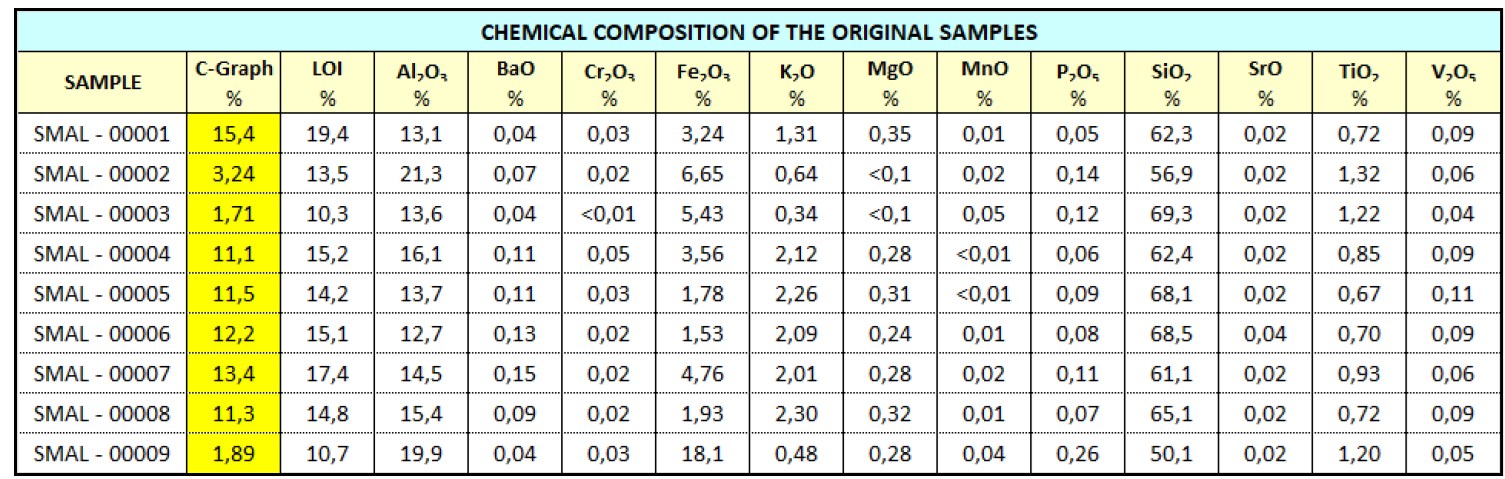
Geochemical analysis was carried out at SGS Geosol, an affiliate of SGS, considered to be the premier analytical laboratory in Brazil and used by major mining companies. Initial results revealed up to 15.4% for the content of graphitic carbon as shown in Table 1.
Table 1: Samples head grade. Source: SGS Report 4181-2503
To view an enhanced version of this graphic, please visit:
https://images.newsfilecorp.com/files/6728/259482_0e69bdb354daaa37_003full.jpg
The principal objective of the scoping level metallurgical test program was to design an initial concentration flowsheet to upgrade the graphite content into a commercially-viable concentrate grading range. The concentration tests were carried out using representative samples collected during the 2025 sampling campaign. The metallurgical tests described in this press release were performed by SGS Geosol, an affiliate of SGS, using 50 kg of representative samples from the Project. The process included rougher flotation, regrinding, and five stages of cleaning with two attrition stages in between. There were no circulating loads, and all flotation tailings were final.
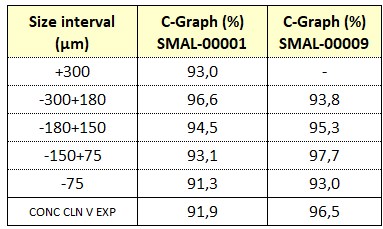
The samples of the highest (15.4%; sample SMAL-00001) and lowest (1.89%; sample SMAL-00009) graphitic carbon content were used in the testing. The main objective of testing these two samples was to ensure the experimental conditions were suitable for the range of the Project's ore, in order to produce a final concentrate of high grade. The flotation concentrates generated by samples SMAL-00001 and SMAL-00009 were analyzed on a size-size basis. The results summarized in Table 2 indicate that all granulometric ranges achieved grades between 91.3% and 97.7% graphitic carbon.
Table 2: Final Product*. Source: SGS Report 4181-2503
To view an enhanced version of this graphic, please visit:
https://images.newsfilecorp.com/files/6728/259482_0e69bdb354daaa37_004full.jpg
* All carbon analyses were reported as graphite carbon ("C-graph"). The analytical methods that were used to determine the metallurgical results included total carbon analysis by Leco on the final concentrates.
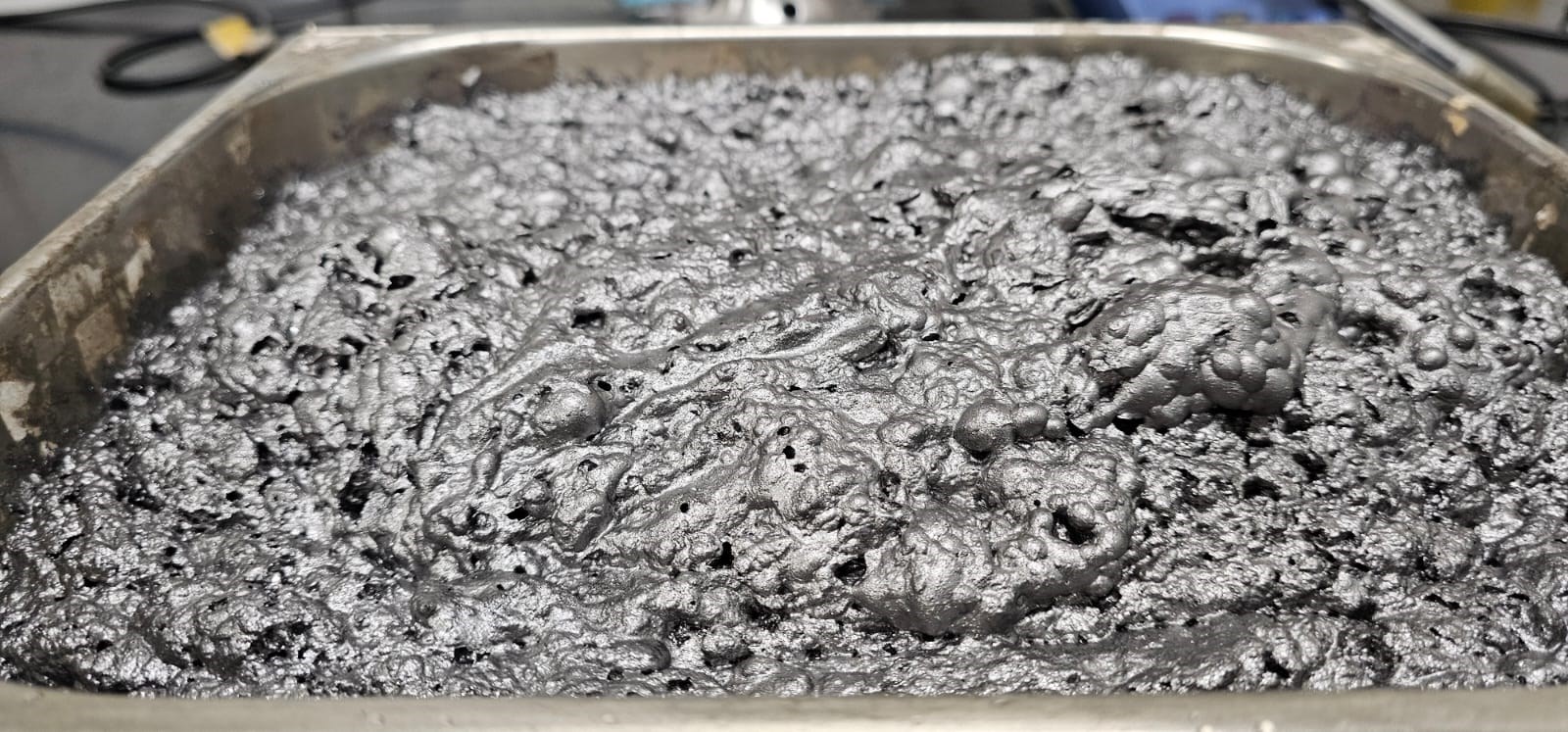
Using conventional flotation, regrinding and attrition techniques, the final graphite concentrates achieved impressive grades of 91.9% and 96.6% total graphite carbon, demonstrating the strong potential of the Project. Figure 2 shows the final material recovered from concentration of the Company's samples.
Figure 2 – Final Product - Floated material and filtered material after vacuum filtration.
To view an enhanced version of this graphic, please visit:
https://images.newsfilecorp.com/files/6728/259482_0e69bdb354daaa37_005full.jpg
About SGS Metallurgical Services
SGS Geosol Metallurgical group is recognized as a world leader in the development of concentrator flowsheet design and pilot plant testing programs, and has extensive experience in the development of processing routes for graphite ores. The information pertaining to the metallurgical test program presented in this press release has been reviewed by Orivaldo Savassi, PhD, technical director at SGS Geosol.
About Atlas Critical Minerals Corporation
Atlas Critical Minerals Corporation (OTCQB: JUPGF) controls a large portfolio of critical mineral rights in Brazil, encompassing over 575,000 acres, and including projects in rare earths, titanium, and graphite - minerals essential for defense applications and electrification. Additionally, we own a quarry for high-quality quartzite and one of our iron ore projects is expected to start production during 2025.
Safe Harbor Statement
This press release contains forward-looking statements within the meaning of Section 27A of the Securities Act of 1933, as amended, and Section 21E of the Securities Exchange Act of 1934, as amended. Forward-looking statements are based upon the current plans, estimates and projections of Atlas Critical Minerals and its subsidiaries and are subject to inherent risks and uncertainties which could cause actual results to differ from the forward-looking statements. Therefore, you should not place undue reliance on these forward-looking statements.
Risks related to the Company and its subsidiaries are discussed in the section entitled "Risk Factors" in the Company's Form 20-F filed with the Securities and Exchange Commission (the "SEC") on February 28, 2025. Please also refer to the Company's other filings with the SEC, all of which are available at www.sec.gov. In addition, any forward-looking statements represent the Company's views only as of today and should not be relied upon as representing its views as of any subsequent date. The Company explicitly disclaims any obligation to update any forward-looking statements.
Investor Relations
Brian W. Bernier
Vice President, Investor Relations
+1 (833) 661-7900
brian.bernier@atlas-cm.com
https://www.atlascriticalminerals.com/
@Atlas_Crit_Min
To view the source version of this press release, please visit https://www.newsfilecorp.com/release/259482
FAQ**
How does the performance of the Minas Gerais Graphite Project, reported by Atlas Critical Minerals Corp (JUPGF), impact the local economy in Belo Horizonte and the surrounding regions?
What regulatory and environmental frameworks in Minas Gerais could influence the operational success of the Jupiter Gold Corp JUPGF project and other mining operations in Belo Horizonte?
In light of Atlas Critical Minerals' recent findings, what potential job opportunities could arise for residents of Belo Horizonte as the Jupiter Gold Corp JUPGF project advances?
How does the Brazilian graphite market, illustrated by Atlas Critical Minerals’ JUPGF Project, position Belo Horizonte within the broader context of global critical mineral supply chains?
**MWN-AI FAQ is based on asking OpenAI questions about Atlas Critical M (NASDAQ: JUPGF).

NASDAQ: JUPGF
JUPGF Trading
G/L:
$ Last:
0 Volume:
$ Open: